30A Florida Travel Guide: The Coastal Towns That Feel Like a Permanent Vacation
A slow, design-led 30A Florida travel guide to the road, the towns, and the feeling people keep trying to take home.
This 30A Florida travel guide begins with the same question almost every first-time visitor asks: What exactly is 30A?
Most people think 30A is a beach.
It isn’t.
It’s a road — a slow, two-lane ribbon that curves for roughly twenty-four miles along the Gulf side of Florida’s Panhandle, tucked between Destin and Panama City Beach. But ask anyone who has spent a real week there what 30A actually is, and they won’t describe the asphalt. They’ll describe a feeling: the soft hiss of bike tires on a pine-shaded path, the almost startling white of the sand, the way the days seem to stretch out while the to-do list quietly loses its grip.
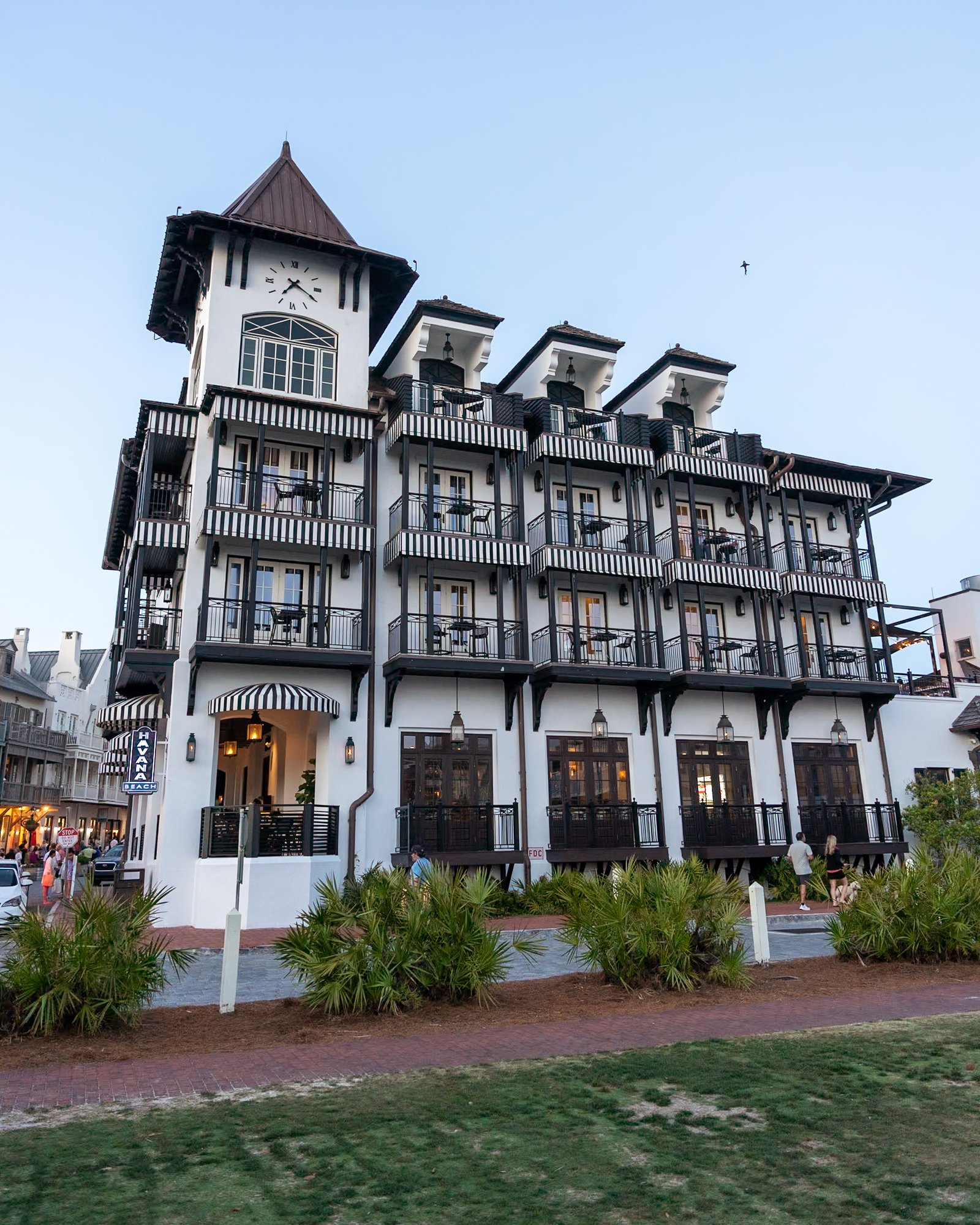
I’ll tell you the exact moment it clicked for me. The second I drove into Rosemary Beach, I was enamored — how was this Florida? I felt like I’d been quietly transported to a beach town somewhere in Europe.
That gap — between what 30A technically is and what it does to people — is the whole story. It’s why a stretch of coastline most of the country had never heard of a generation ago now has a devoted following, a fiercely protected name, and a steady stream of visitors who come once and start, almost without noticing, rearranging their lives to come back.
Consider this the 30A Florida travel guide we wish we’d had before our first trip. Not a checklist of restaurants to tick off, but an honest map: what 30A is, which towns make it up, why it feels so unlike every other beach destination, and how to know whether it’s the right one for you. And because places like this have a way of following you home, we’ll end where 30A always seems to end — with the quieter question of how to carry a little of that feeling back into ordinary life. (If that’s the part you’re really here for, you can skip ahead to how to bring the feeling of 30A home.)
| Where it is | South Walton County on Florida’s Emerald Coast — the Panhandle’s Gulf shore, between Destin and Panama City Beach |
|---|---|
| Length | Scenic Highway 30A runs roughly 24 miles |
| Beach communities | About 15 distinct towns, within just two zip codes |
| Nearest airport | Northwest Florida Beaches International (ECP), ~30–35 min; VPS and PNS are alternatives |
| Best months to visit | September–October for warm water and thinner crowds; spring is lovely too |
| Best for | Couples, families, design lovers, and slow travelers |
| Typical trip length | 4–7 nights |
In This Guide
- What Is 30A Florida?
- Why People Fall So Hard for 30A
- The 30A beach towns
- What actually makes 30A feel different
- Things to Do on 30A
- Where to Eat and Drink on 30A
- The Best Time to Visit 30A
- Is 30A Worth Visiting?
- Planning Your First 30A Vacation
- Sample 30A Itineraries
- First-Time Visitor Mistakes
- 30A Florida FAQs
- The Part That Follows You Home
What is 30A Florida?
Let’s start with the basics, because the name confuses nearly everyone at first.
30A is, quite literally, a road: Scenic Highway 30A, a county route that runs through South Walton County in Northwest Florida. The “A” is a leftover from old Florida road-numbering — decades ago, the scenic coastal alternate to the main highway was marked 30A, and the name stuck long after the logic behind it faded. Today the term has outgrown the pavement. When people say “30A,” they almost never mean the highway. They mean everything strung along it: a collection of small beach communities that share this one slender corridor on what’s known as the Emerald Coast.
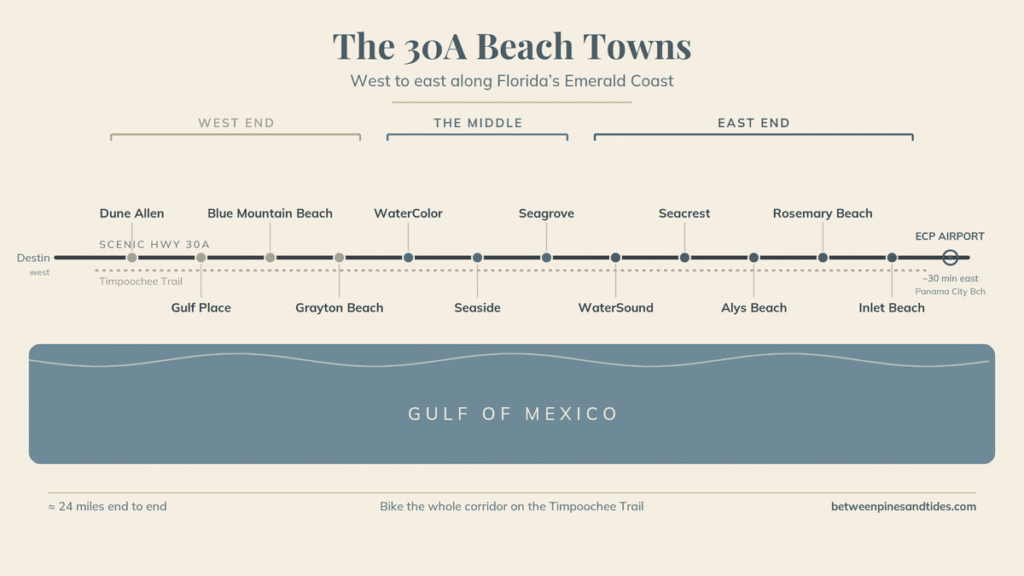
The geography is part of the magic. To the south is the Gulf, with water that turns a clear, improbable green on a calm day. To the north sits Choctawhatchee Bay. In between, on a thin shelf of sugar-white sand, sit somewhere around fifteen distinct beach towns — so tightly packed into two zip codes that you can drive past three or four of them before lunch and never quite register where one ends and the next begins.
Two details tell you most of what you need to know about why 30A feels the way it does.
First, the dune lakes. Scattered along the coast here are a string of rare coastal dune lakes — bodies of fresh water that sit close enough to the Gulf to occasionally break through the sand and mingle with the sea. They exist in only a handful of places on earth, and they’re the reason so much of 30A is hemmed in by protected state parks and forest rather than development. The land itself resisted being paved.
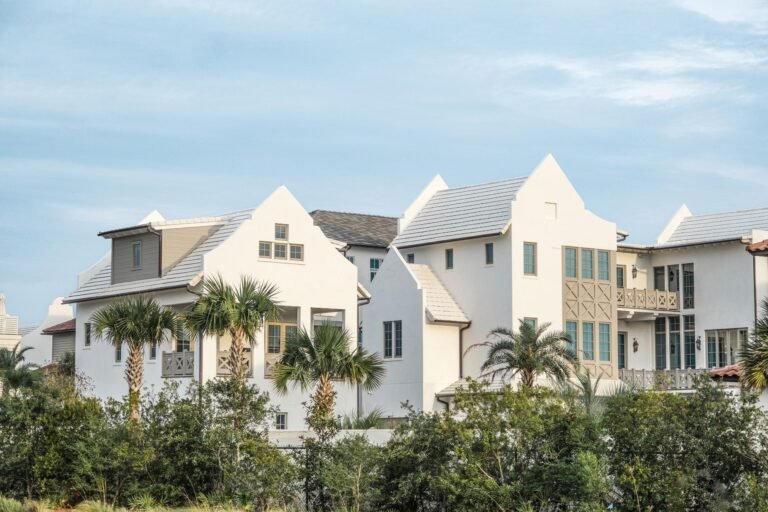
Second, the height limit. There are no high-rises on 30A. A strict building-height cap means you won’t find the wall of beige condo towers that defines so much of the Florida coast. Instead you get cottages with tin roofs and deep porches, courtyards, picket fences, and the occasional architectural showpiece — all kept low enough that the sky still feels like the tallest thing around. That single rule, more than any beach or restaurant, is why 30A reads as a place rather than a strip.
It’s worth knowing, too, that “30A” has become a genuine brand — trademarked, merchandised, printed on car decals from Atlanta to Nashville. That’s a sign of how much loyalty the place inspires. But the brand grew out of the feeling, not the other way around, and it’s the feeling we’re here to understand.
Why people fall so hard for 30A
Plenty of places have white sand and warm water. That’s not what people are actually responding to when they talk about 30A the way they do. What hooks them is harder to photograph.
You move at the speed of a bicycle. A paved trail — the Timpoochee — runs nearly the full length of 30A, connecting town to town, and once you’re settled in, the car tends to stay parked. People bike to coffee, bike to dinner, bike to the beach with a cooler strapped to the back. There’s something about resetting your default speed to fifteen miles an hour that does quiet work on your nervous system. The first morning you do it, you notice. By the third, you’ve stopped reaching for your keys.
My own ritual: I rent a bike from Peddlers in Seacrest and keep it for the entire stay. There is nothing better than a morning spent riding up and down 30A with nowhere in particular to be — just taking in the sights.
The sand is genuinely different. It’s fine, quartz-white, and it squeaks underfoot. Because it reflects so much light, it stays cool even in August, which sounds like a small thing until you’ve crossed a normal beach at noon. The water behind it shifts from clear to that signature emerald green depending on the day. You’ll find yourself taking the same photo over and over, faintly annoyed that it never quite captures the color.
Everything is human-scaled. Because nothing rises above the tree line, the towns feel like towns — squares you can walk across, shops you can reach on foot, neighbors recognizable from one evening to the next. The absence of high-rises isn’t just an aesthetic; it changes how the place feels to be inside of. You’re not a guest in a tower. You’re a temporary resident of a small, walkable community.
And then there’s the pace. Nightlife isn’t the point here. The evening event is the sunset, watched from a porch or a dune walkover, usually with a drink and people you like. For a certain kind of traveler — and a certain kind of reader — that’s not a limitation. That’s the entire appeal.
The 30A beach towns
This is the part that overwhelms first-timers, so let’s simplify it. The communities sit in a line, roughly east to west, and each has a distinct personality. Below is the honest, character-first version — enough to orient you, not so much that you feel you have to memorize it. (When you’re ready to choose between the heavy hitters, we go deep in a dedicated comparison.)
The east end — polished and architectural
Rosemary Beach feels like Europe wandered onto the Gulf. Cobblestone footpaths, deep arcades, dark-shuttered facades, and a moody, sophisticated palette. It’s the most “designed” of the towns and reads grown-up — couples and design lovers gravitate here.
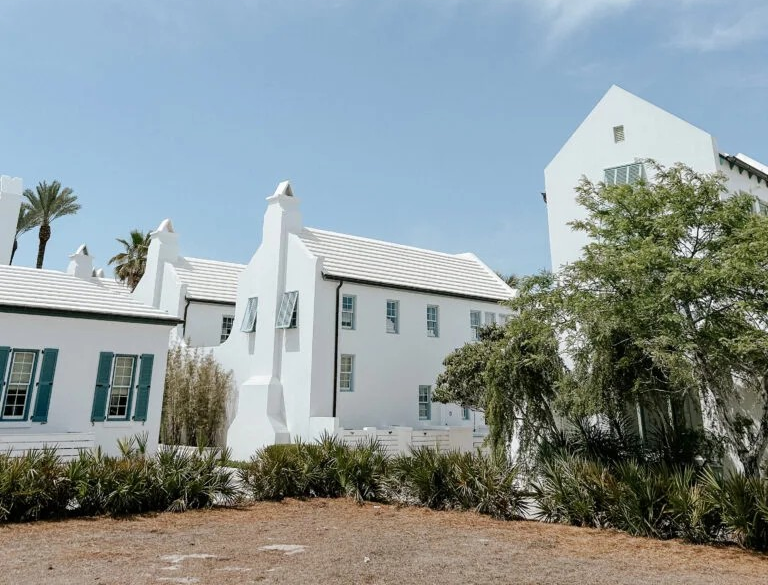
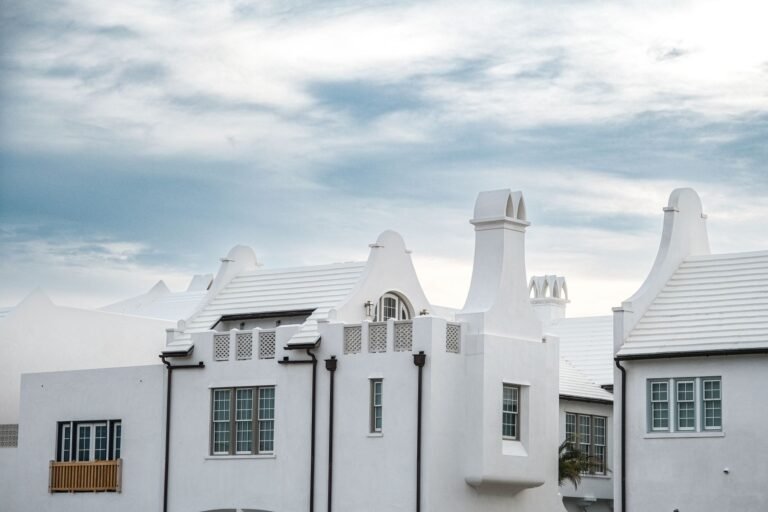
Alys Beach (pronounced “Alice”) is unmistakable: blinding white walls, courtyard gardens, and a Bermuda-meets-Antigua precision that makes the whole town look like an architectural rendering come to life. It’s the most photographed and the most exacting place on 30A.
Inlet Beach, Seacrest, and WaterSound round out the east end — quieter, more residential, and often a smarter value than their famous neighbors while keeping you within easy reach of them.
The middle — the iconic heart
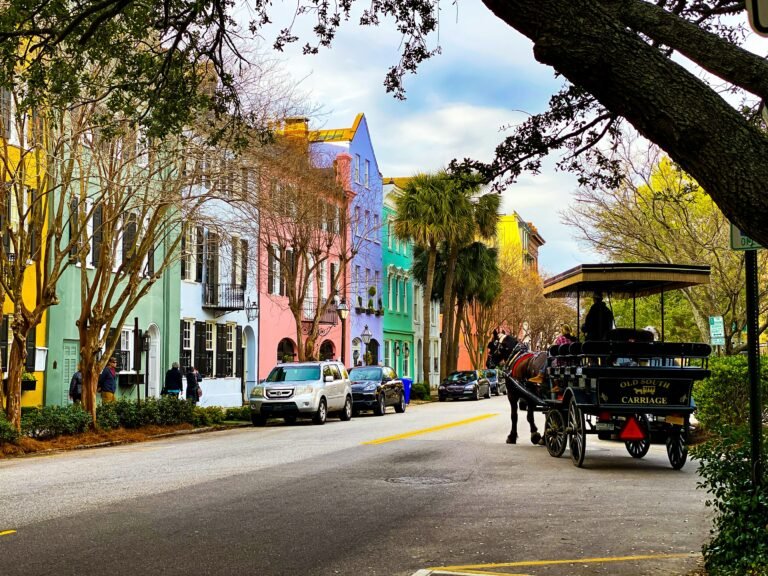
Seaside is the one you’ve seen even if you didn’t know it: pastel cottages, white picket fences, a walkable town center, and the silver Airstreams of its famous food trucks. It’s the original — the first New Urbanist town in America, and the backdrop for The Truman Show. Beloved and busy in equal measure.
WaterColor, right next door, is the resort-style counterpart — pools, a beach club, lake activities, and a family-friendly ease that makes it many travelers’ first home base.
Seagrove is one of the oldest communities here, a comfortable mix of Old Florida cottages and modern rentals, and central enough to make a good launch pad for exploring everything else.
The west end — old Florida and a little scruffy charm
Grayton Beach is the soul of the original 30A — artsy, a touch weathered, proudly informal. Its unofficial motto says it all: nice dogs, strange people. Homes sit back from the water, the local watering hole is an institution, and the whole place feels lived-in rather than staged.
Blue Mountain Beach, Gulf Place, and Dune Allen carry that laid-back energy west — lower-key, often more affordable, and a favorite of families who want calm mornings and quiet evenings over polish. (Despite the name, there is no mountain; Blue Mountain is named for the blue lupine that grows in the dunes.)
| Town | Best for | Atmosphere | Walkability | Luxury level |
|---|---|---|---|---|
| Rosemary Beach | Couples | Sophisticated, European | Excellent | High |
| Alys Beach | Architecture lovers | Striking, minimalist | Excellent | Very high |
| Seaside | First-time visitors | Classic, iconic | Excellent | Moderate–high |
| WaterColor | Families | Resort-style | Excellent | High |
| Seagrove | A central base | Easygoing | Good | Moderate |
| Grayton Beach | Relaxed, artsy travelers | Bohemian | Good | Moderate |
| Blue Mountain / Dune Allen | Quiet family stays | Low-key | Good | Moderate |
If you’re trying to decide between the three towns everyone agonizes over, we put them head-to-head in Rosemary Beach vs. Seaside vs. Alys Beach — vibe, who each one suits, and which to choose for a first trip.
If this is your first visit, don’t try to see every town. Choose two or three and experience them deeply — 30A rewards lingering far more than checking places off a list.
If you’re wondering where I land: it’s a genuine toss-up between Seaside and Rosemary Beach, but Rosemary will always be the one with my heart. If money were no object and I could buy a home anywhere, it would be there.
What actually makes 30A feel different
Here’s where 30A diverges from nearly every other beach destination in America, and it has almost nothing to do with the beach.
Most coastal vacation spots are organized around consumption — the towers, the chains, the boardwalk, the next thing to buy or ride. 30A is organized around design. The towns were, in many cases, deliberately planned — Seaside in the 1980s essentially launched the New Urbanism movement, and Rosemary Beach and Alys Beach followed with their own rigorous architectural visions. The result is that the built environment here is doing emotional work whether you notice it or not.
Think about what these towns have in common: short walking distances, porches that face the street, town centers you can reach without a car, buildings kept low and close, public squares that invite you to linger. None of that is accidental. It’s a set of design choices that nudge people toward connection — toward running into a neighbor, sitting outside, slowing down. You feel calmer on 30A partly because the place was built, on purpose, to make you feel that way.
This is the quiet thesis of 30A, and it’s the reason the place tends to follow people home. Once you’ve felt how much a thoughtfully designed environment changes your mood, it’s hard to unfeel it. You start looking at your own porch, your own entryway, your own morning routine and wondering what small changes might bring a little of that ease into a Tuesday.
The four things that create the 30A feeling
Strip away the particulars and it comes down to four ingredients — the quiet recipe behind every good 30A day:
- Human-scale design. Nothing rises above the tree line, so the towns stay walkable, legible, and warm rather than overwhelming.
- Slower movement. The bike replaces the car, and a fifteen-mile-an-hour pace quietly resets how the whole day feels.
- Nature woven into daily life. Dune lakes, state parks, and protected forest sit inside the towns, not an hour away — the wild is always within reach.
- Intentional gathering spaces. Porches, squares, and town centers are built to put people together, which is why a visit feels like community rather than escape.
It’s also why the homes here are worth studying in their own right — the palettes, the materials, the way light is handled, the indoor-outdoor flow. We pull that apart in What Makes 30A Beach Houses Feel So Different, because the details are surprisingly easy to borrow, whether or not you’ll ever own a place on the Gulf.
And many people here do own. 30A has a deep base of second-home owners, especially from across the Southeast — families who came for a week, kept coming back, and eventually decided to plant a more permanent flag. If you find yourself doing the mental math on a porch somewhere around day five, you are not the first. It’s practically a local tradition.
Beyond the beach: things to do on 30A
The beach is the headline, but the travelers who fall hardest for 30A are usually the ones who look past it. The corridor is hemmed in by protected land and threaded with quiet, particular pleasures. A few worth building a day around:
Ride the Timpoochee Trail. If you do one thing here, do this. The Timpoochee is a paved path — roughly eighteen and a half miles — that runs from Dune Allen in the west to Inlet Beach in the east, parallel to the highway and away from the cars. Rent bikes (many rentals and the small inns include them) and ride town to town, crossing dune lakes and a covered bridge or two, stopping for coffee or a swim whenever the mood strikes. It’s the single best way to understand how the whole place fits together. One practical note: most towns allow golf carts, but Alys Beach, Seaside, and Rosemary Beach don’t — another reason the bike wins.
Paddle a dune lake. Those rare coastal dune lakes aren’t just scenery — they’re some of the most peaceful water you’ll ever paddle. Glassy, sheltered, and full of herons and the occasional gentle alligator, they’re a different experience entirely from the open Gulf. Western Lake at Grayton Beach is the easiest to reach; Lake Powell, on the far east end, is the largest coastal dune lake in North America. Kayaks and paddleboards rent easily nearby.
Spend a morning in the state parks. Four state parks and a state forest protect much of this coast, which is exactly why it never got paved over. Grayton Beach State Park regularly lands on lists of America’s best beaches; Topsail Hill Preserve has the tallest dunes around and lets walkers and cyclists in for a couple of dollars; Deer Lake’s boardwalk threads through towering dunes; and Point Washington State Forest offers miles of quiet trails. This is the wilder, older Florida hiding in plain sight behind the cottages.
See the Underwater Museum of Art. About a mile off Grayton Beach, roughly fifty-eight feet down, sits the first permanent underwater sculpture garden in the United States — a rotating collection of works that double as an artificial reef, slowly being claimed by marine life. Snorkelers, divers, and boat tours all visit. It’s the kind of genuinely strange, lovely thing that tells you 30A takes its art as seriously as its sand.
Follow the art above water, too. Seaside’s town square holds Sundog Books, a beloved independent bookstore (with Central Square Records upstairs) — the perfect rainy-afternoon stop. The WaterSound Monarch Art Trail strings sculptures along a walkable mile, and both Alys Beach and Rosemary Beach scatter outdoor art through their streets. Grayton, true to character, leans into independent galleries.
And then there are the small rituals that need no planning at all: the Saturday farmers market in Seaside, a permitted bonfire as the light goes, the nightly migration to whichever dune walkover has the best view west. On 30A, doing very little is, reliably, the best thing on the itinerary.
Where to eat and drink on 30A
For a place this small, 30A eats remarkably well — but the dining is spread across the towns rather than clustered in one center, so it helps to know roughly what lives where. This is orientation, not a ranking, and restaurants here do change, so confirm before you make a special trip. The one universal rule: book your sunset tables ahead.
The east end (Rosemary, Alys) is the most refined. In Rosemary Beach, The Pearl’s rooftop and its Havana Beach restaurant set the polished tone, with Pescado’s rooftop seafood close behind. In Alys Beach, Fonville Press is the social heart — part café, part newsstand, part morning ritual — alongside spots like George’s and Citizen, and the cult-favorite Charlie’s Donuts food truck for the kids (and you).
The middle (Seaside, WaterColor, Seagrove) is the iconic stretch. Seaside’s silver Airstream food trucks are a rite of passage, and Bud & Alley’s has anchored the Gulf-front rooftop scene for decades. Stock a picnic at Modica Market, the gourmet grocer locals swear by. Just east in Seagrove, Old Florida Fish House and Surfing Deer round out a more grown-up dinner.
The west end (Grayton, Blue Mountain, and out toward Dune Allen) keeps it characterful. Grayton Beach’s Red Bar is a genuine institution — scruffy, music-filled, and beloved — with Chiringo nearby for a beachier hang. Around Blue Mountain, Blue Mabel does a fine brunch, Redfish Taco handles the casual craving, and the Blue Mountain Beach Creamery is the ice-cream stop. Farther west, Stinky’s Fish Camp and Shunk Gulley pull in the seafood crowd.
For coffee, seek out Amavida, the area’s local roaster, and the aforementioned Fonville Press in Alys for the full sit-and-linger version. Honestly, though, the most reliable 30A morning is a stocked rental kitchen, a good bag of beans, and a porch — which is, fittingly, the whole ethos of the place in a single cup.
The best time to visit 30A
30A is a year-round destination, but the seasons feel genuinely different. Here’s the honest breakdown.
Summer is peak — warm Gulf water, long beach days, and the towns at full, festive volume. It’s the classic 30A experience, and it’s also the busiest and priciest, with the most traffic on the road and the most competition for parking and rentals. Wonderful if you want energy; book early.
Fall is, for many regulars, the secret best season. The water stays warm well into October, the summer crowds thin, rates ease, and the light turns golden. If you want the 30A feeling with the volume turned down, this is when to come.
Spring is lovely and increasingly popular — mild, blooming, and lively around the edges of spring break. One real heads-up: during spring-break weeks, several towns enforce a 7 PM curfew for unaccompanied minors and strict quiet hours. 30A is deliberately not a party-beach scene, which is a feature for most of our readers — but worth checking your dates against if you’d rather avoid the busy stretch. Outside it, spring is comfortable beach weather without full summer heat.
Winter is the quiet, contemplative version of 30A. The water’s too cold for most swimming, but the beaches are wide open, the rentals are cheapest, and the towns take on a peaceful, locals’ pace. It’s a different trip — more long walks and fireplaces than swimsuits — and some people love it most of all.
A word on weather, because the glossy guides skip it: summer here is genuinely hot and humid, and most trips catch a day or two of rain whatever the season. The saving grace is that the storms tend to be brief afternoon ones that roll through and leave the Gulf even clearer behind them. Pack for sun, but bring something for a downpour — and treat a rainy hour as permission to slow down, which is rather the point of the place anyway.
Is 30A worth visiting?
For the right traveler, completely. For the wrong one, it can feel slow or expensive. Honesty serves you better than hype, so here’s both sides.
You’ll likely love 30A if you want:
- A walkable, bike-everywhere pace and beautiful, low-built towns
- White sand, clear water, and design you’ll want to photograph and steal
- Slow mornings, sunset evenings, and time that feels unhurried
- A family-friendly, calm alternative to a high-rise beach strip
You might prefer somewhere else if you want:
- Nightlife, big resorts, or a packed roster of attractions
- A budget beach trip — 30A skews upscale, especially in summer
- Everything in one walkable place — here, the charm is spread across many towns
If you want the deeper backstory on how a quiet county road became one of the most coveted addresses on the Gulf, we trace that arc in Why 30A Has Become One of America’s Most Coveted Beach Destinations.
Planning your first 30A vacation
Where to stay
Most visitors rent a home rather than book a hotel — there are only a handful of small inns along the whole corridor, and the vacation-rental cottage is the native way to do 30A. The real decision isn’t hotel-versus-rental; it’s which town fits your trip. As a quick orientation:
- Polished and grown-up: Rosemary Beach or Alys Beach — design-forward, walkable, ideal for couples and aesthetes.
- Iconic and lively: Seaside or WaterColor — central, busy, easy for families and first-timers.
- Calm and characterful: Grayton, Blue Mountain, Dune Allen, or Gulf Place — quieter, often friendlier on the budget, beloved by repeat families.
A booking tip worth real money: the same rentals listed on the big aggregators are often available directly through local management companies and official town rental agencies, frequently with lower fees. It’s worth searching the home on a local 30A site before booking it on a national platform. Hotels are limited but lovely where they exist — The Pearl in Rosemary Beach and the WaterColor Inn are the marquee names — so if you’d rather not manage a house, book those early.
If you’re choosing between two equally beautiful rentals, pick the one that lets you walk or bike to a town center. More than almost anything else, that proximity is what creates the distinctive rhythm of a 30A vacation — and staying somewhere you have to drive in and out of quietly undoes it.
Getting there and getting around
The closest airport is Northwest Florida Beaches International (ECP), roughly thirty minutes from the east end; Destin–Fort Walton Beach (VPS) and Pensacola (PNS) are alternatives, sometimes with better fares, at a longer drive. You’ll want a car to arrive and to make grocery and restaurant runs — but plan to rely on bikes or a golf cart for daily life once you’re settled. Reserve bikes or a cart early in peak season; they sell out.
How long to go, and what to budget
Stay at least four or five nights. 30A rewards the traveler who unwinds, and the magic tends to arrive somewhere around day three, once the car’s been forgotten and the bike has become the default. On budget, set expectations honestly: this is an upscale stretch of coast, peak-season rentals aren’t cheap, and dinners out add up. The good news is that the best things here — the beach, the trail, the towns, the sunset — are free, and a rental kitchen plus a bike does a lot to keep a trip grounded.
A few things to know before you go
- Beach access is a mix of private and public; confirm what your rental includes before you book.
- Saturdays in season clog the road as rentals turn over — avoid town-hopping that day.
- Watch the beach flags. The Gulf is beautiful and, on the wrong day, has serious rip currents.
- Reserve dinner where you can. The good tables, especially at sunset, go fast.
Sample 30A itineraries: how to spend 3, 5, or 7 days
These are frameworks, not scripts — the whole point of 30A is to leave room in the day. But if you’re staring at a blank calendar, here’s how the time tends to want to unfold.
Three days: the essentials
A long-weekend taste. Base yourself centrally — Seaside, WaterColor, or Seagrove — so everything’s a short ride away. Day one: settle in, rent bikes, claim a beach afternoon, and find a sunset dinner. Day two: ride a good stretch of the Timpoochee, dipping into two or three towns on either side, with dinner in Rosemary or Grayton. Day three: slow down — a dune-lake paddle or a morning in a state park, one last beach, an easy departure. Enough to fall for the place; not quite enough to fully exhale.
Five days: the sweet spot
Five nights adds the room 30A really wants. Keep the easy day-one-and-two rhythm, then give a full day to the natural side — Grayton Beach State Park or Topsail Hill, a paddle on Western Lake, maybe the boat out to the Underwater Museum of Art. Spend another day going deep on one end rather than skimming both: the polished east (Alys and Rosemary) or the characterful west (Grayton and Blue Mountain). By day five you’ll have hit the famous day-three unwinding and actually had time to enjoy it.
A week: living like a local
Seven nights is when 30A stops feeling like a trip and starts feeling like a life. Cook from Modica Market and the Saturday farmers market, adopt a regular coffee spot, pick a “home” beach access, and let whole days go unplanned. Bike everywhere. Take one full day entirely off the itinerary. This is the version of the trip that tends to end with someone quietly doing the second-home math on the porch.
First-time visitor mistakes (and how to skip them)
30A is a forgiving place, but a handful of missteps come up often enough to be worth flagging.
Booking on price, not location. The cheapest rental can sit a long, hot walk from the nearest beach access or town center — which quietly undoes the whole bike-everywhere appeal. Prioritize walk-or-bike proximity over a slightly lower nightly rate; it’s the difference between using your car constantly and forgetting where you parked it.
Assuming every beach access is public. Access here is a patchwork of public, regional, and private (community- or rental-only) points. Confirm exactly what your rental includes before you book — it’s the single most common unpleasant surprise.
Waiting too long to reserve bikes. In peak season, bikes and golf carts sell out. Without them, you’re left driving and parking, the two things 30A does worst. Book them when you book the house.
Trying to see every town. There are fifteen, and the collector’s instinct is to tick them all off. Resist it. Pick two or three to know well; this is a place that rewards depth over a checklist.
Not booking dinner. The good tables — especially at sunset, especially in season — fill fast. A little forethought saves a lot of hungry wandering.
Underestimating Saturday. Saturday is turnover day, when rentals change hands and the road clogs. Avoid planning arrivals or town-hopping around midday Saturday if you can help it.
30A Florida: frequently asked questions
Where is 30A in Florida?
How many towns are on 30A?
Which 30A town should I stay in?
Is 30A good for families?
When is the best time to visit 30A?
How is 30A different from Destin or Panama City Beach?
How long is Scenic Highway 30A?
How many days do you need on 30A?
Do you need a car on 30A?
Is 30A expensive?
Are the beaches on 30A public?
What are 30A’s coastal dune lakes?
When is 30A least crowded?
The part that follows you home
Some places stay with you because of what you did there. Others stay with you because of how they made you feel. 30A is firmly the second kind.
Long after the tan fades, what lingers isn’t a particular restaurant or beach. It’s the rhythm — the bike instead of the car, the porch instead of the screen, the sunset treated like an appointment worth keeping. It’s the slightly disorienting realization that you felt more like yourself in a place built, deliberately, to slow you down.
For me, it’s slow mornings — getting outside for a walk or a bike ride and really appreciating your surroundings.
For me, the thing that followed me home is the slow morning: getting outside for a walk or a bike ride before the day takes over, and actually appreciating my surroundings instead of rushing past them. You don’t need the Gulf for that. You just need to decide it matters.
If this 30A Florida travel guide has done its job, it leaves you with more than a list of towns — it leaves you with that feeling, which is the whole reason this publication exists. The towns of 30A are a beautiful doorway, but the thing worth carrying back through it is the idea underneath them: that the way a place is designed — and the way you choose to move through your days — can quietly change how your ordinary life feels. You don’t need a cottage on the Gulf to start. You need a few of the right ideas, brought home on purpose.
That’s exactly the question we explore in How to Bring the Feeling of 30A Home.
Love beautiful destinations, inspiring homes, and intentional living?
Join the Between Pines & Tides newsletter and be the first to receive new destination guides, design inspiration, and ideas for bringing the feeling of vacation into everyday life.
2 Comments